Cambridge, UK, 2025—A new academic study published in Archaeology International compares the symbolic power of equestrian statues across Eastern and Western civilizations, focusing on Donatello’s Gattamelata (Renaissance Italy) and the bronze chariots of Qin Shi Huang’s Mausoleum (ancient China).
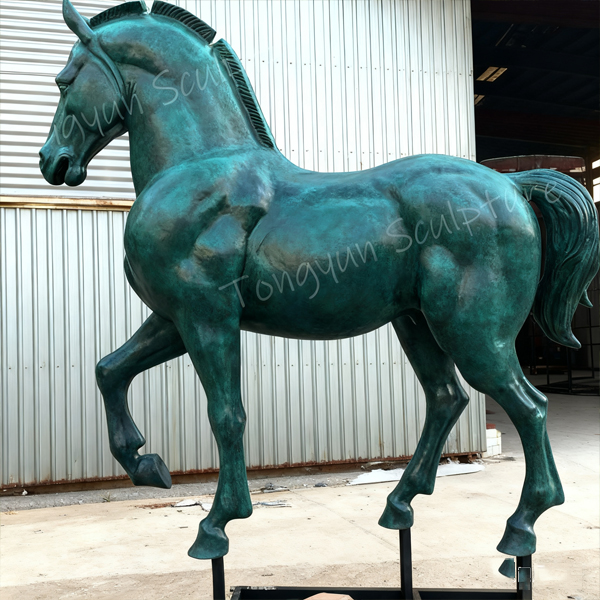
The study finds that while both represent elite power, their narratives differ: Gattamelata (a portrait of Venetian condottiero Erasmo da Narni) emphasizes individual military glory, with the horse standing tall and the rider in armor. In contrast, Qin Shi Huang’s bronze horse statue and chariots highlight imperial authority—each horse is uniform, symbolizing the emperor’s control over a vast army. A parallel timeline in the study marks key milestones: the rise of cavalry in the Renaissance (driving equestrian art) and the Han Dynasty’s horse administration reforms (shaping Chinese bronze horse craftsmanship).
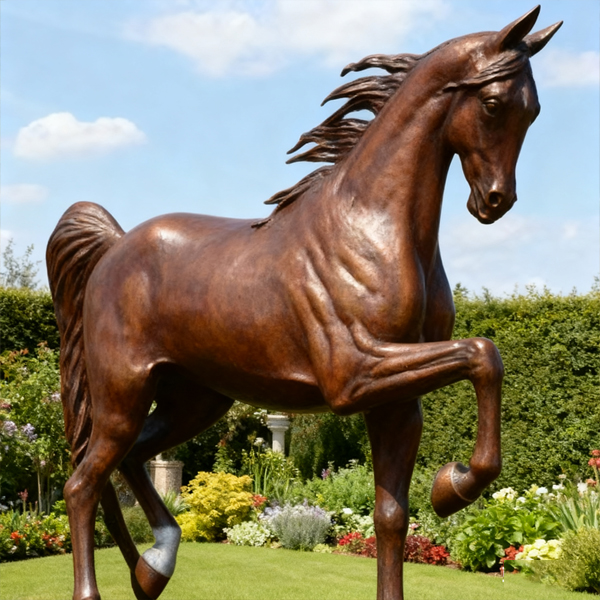
Professor Sarah Johnson of Harvard University’s Art History Department adds: "Marcus Aurelius horse statue and China’s Bronze Galloping Horse further show how equestrian sculpture reflects cultural values—Roman statues focus on leadership, while Chinese ones blend divinity and practicality."
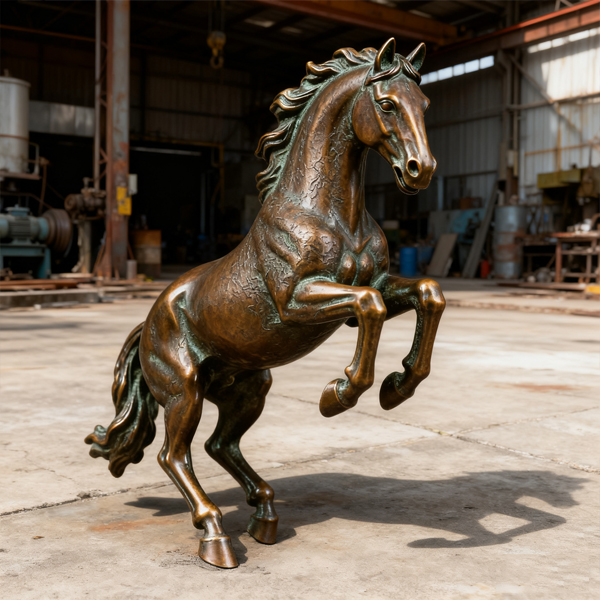
If you’re drawn to the cross-cultural allure of equestrian art, our collection includes replicas of Marcus Aurelius horse statue, Qin-style bronze horse statues, and even custom man and horse statue designs. Explore our equestrian statue range and order your preferred piece today to celebrate global artistic heritage!
Contact: Ann Xu
Phone: +8618132583322
E-mail: sculpture@tongyundiaosu.com
Whatsapp:8618132583322
Add: Changgucheng Industrial Zone, Tang County, Baoding City, Hebei Province,China
We chat